
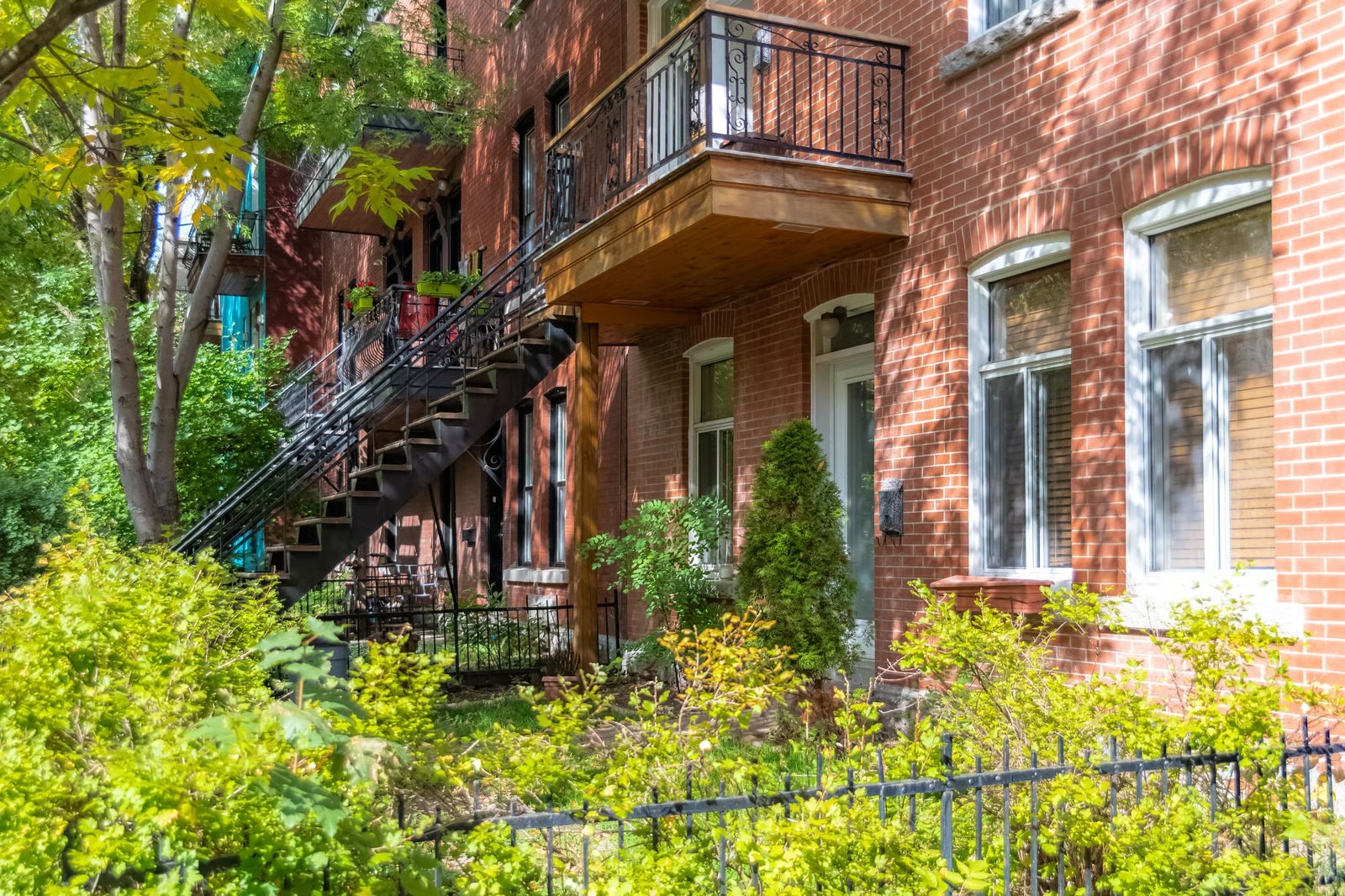
To choose between a condo and a plex in Chomedey, start by considering the role the property will play in your life. Do you want to live there, rent out a unit, or manage the building from a distance? With a condo, some decisions are made through the syndicate of co-ownership. With a plex under single ownership, you take on a greater share of the building’s management and tenant relations directly. The right option for you depends primarily on this difference.
Outline your plans before comparing prices
Imagine a Tuesday in January. A resident reports a leak in the ceiling. Who receives the call, who can authorize repairs, and who has the insurance documents? In a condo, the answer may involve the co-owner, the syndicate of co-ownership, and their insurers, depending on the situation. In a fully owned multi-unit building, you’ll need to organize the repair yourself or have agreed on a process with a property manager. This exercise makes the responsibility you’re considering more tangible.
Also define your occupancy requirements and how long you plan to hold the property. A couple looking to move in as early as July doesn’t have the same flexibility as a buyer who can wait. Someone comfortable coordinating renovations may prefer a building that requires regular oversight. Another person might place greater value on a well-organized syndicate of co-ownership. Note what you’d like to delegate, the time you can devote to it, and the expenses associated with that delegation.
For a condo, read the documents in a logical order
Start with the declaration of co-ownership and the building’s bylaws. Identify the provisions that apply to your specific situation, such as renting, parking, pets, or flooring materials. If your plan depends on a specific permission, ask where it is documented and whether any amendments have been adopted. A practice observed during a visit does not answer this question.
Next, review the recent meeting minutes. Look for topics that come up repeatedly from one meeting to the next. Were water leaks in the garage simply reported, or was an expert assessment commissioned? Did the board members receive bids, vote on the repairs, or set assessment fees? The same mention in two records may correspond to very different stages of the process. Ask for the most recent decision and the document that records it.
Compare this information with the syndicate of co-ownership’s statement regarding the condition of the condominium. In particular, it provides details on the building’s finances, any work performed, and known claims. The Quebec government details the measures applicable to divided condominiums, including those concerning the maintenance log and the review of the contingency fund. During the transition period, ask for clarification on which documents already exist for this condominium and which are currently being prepared.
Review the maintenance fees, repairs, and contingency fund together
The monthly condo fee doesn’t mean much without a list of what it covers. In one building, it may include certain services or a portion of the heating bill. In another, the resident pays for those separately. Take note of these differences before comparing two units. Also check whether a special assessment has been proposed, approved, or already levied. Each situation raises different questions regarding your budget and the transaction.
Consider the case of an indoor garage that needs repairs. The maintenance log helps identify scheduled repairs. The review of the contingency fund addresses the amounts that need to be set aside for major repairs and the replacement of common areas. The budget and financial statements, for their part, show the amounts projected or actually recorded. If the documents appear to contradict each other, ask the syndicate of co-ownership for an explanation through the appropriate channel. The guide to condo documents in Chomedey can serve as a helpful reference while reading this.
For a multi-unit building, start with the leases and actual expenses
Request the leases, their attachments, and any relevant notices. For each unit, note the agreed-upon rent, the services included, access to parking or storage, and any documented special features. Distinguish between current rent amounts, amounts actually collected, and income presented as potential. The amount listed online for a similar unit does not replace the rent specified in the lease.
On the expense side, review taxes, insurance, utilities paid by the landlord, snow removal, maintenance, and service contracts. Check the time periods covered by each item. A three-month heating bill and an annual snow removal expense cannot be directly compared. Also look for deferred repairs. A low-cost year may simply precede a renovation that’s already been scheduled.
Imagine two duplexes with the same rental income. In the first, tenants are responsible for their own heating. In the second, the landlord provides heating, and a single boiler serves the entire building. Your first question should focus on the expenses and responsibilities associated with this equipment. Ask to see the bills, the maintenance contract, and the service history before drawing any conclusions about the differences between the two buildings.
If you want to live in a unit, check its availability
The statement “ideal for owner-occupiers” warrants clarification. Is the property in question vacant? Is it occupied by the seller or rented out? What document explains the advertised availability date? The sale of an occupied property does not terminate the lease. A repossession process is regulated, and its outcome depends on the specific circumstances. Review the Tribunal administratif du logement’s guidelines on repossession and have your case reviewed if the occupancy status is critical to your purchase.
Have a backup plan in case the timeline doesn’t work out as you’d hoped. Could you stay in your current home? Does your financing depend on moving in right away? Let the lender and broker know this from the start. This will allow you to assess the consequences of a delay before committing to an uncertain date.
Have the building and financing inspected separately
In a condominium, ask the inspector how the unit and accessible common areas will be inspected. For a multi-unit building, specify which units, utility rooms, and portions of the building will be accessible. Work done in one unit doesn’t necessarily provide information about the ones you haven’t visited. Have the scope of the inspection and any recommended specialized work documented.
Present the lender with the same assumptions you use to compare properties. Ask the lender to specify how they will handle documented income, your occupancy status, and expenses. For tax-related questions, consult an accountant who is familiar with your situation. For titles, leases, or a specific ownership structure, ask a qualified professional to review the relevant documents. A broker can coordinate the information that needs to be gathered so that everyone is working from the same set of documents.
Get back to the streets and everyday life in Chomedey
Walk between the building and the amenities that matter to you. Check out the entrance, the parking spaces, and the public transit route during the times you’d actually use them. A unit facing a courtyard and one facing a main street can offer very different living conditions even within the same neighbourhood. Check out the profile of Chomedey and the comparison between condos and houses in the neighbourhood, then compare your criteria with the available listings.
Frequently Asked Questions
What document should I request first for a condo I want to rent?
Start with the declaration of co-ownership and the current bylaws. Check the provisions that apply to the type of rental you’re considering, then confirm any other rules that apply to that address. Don’t assume permission is granted based on a listing.
Is a high reserve fund sufficient to avoid a special assessment?
The balance must be considered in light of the building’s condition, planned repairs, and their schedule. Request the available assessment, the budget, and recent decisions. A single figure is not enough to draw a conclusion.
Can I use projected rental income in my multi-unit apartment building budget?
List them separately from the documented amounts and ask the lender what they will consider. Check how your project stacks up against current rental rates, including whether any construction work might delay occupancy or result in additional expenses.
What should I do if a unit in the plex is inaccessible during the visit?
Ask for the reason and agree with your real estate broker on the steps and timeline needed to visit it or have it inspected. Note precisely what remains unknown before making your decision.
How can Nathalie help me compare two properties?
Bring the property listings, your selection criteria, and any documents you’ve obtained. Nathalie Maréchal can help you organize the questions specific to each building and identify those that require a specialist’s advice. Visit the “Buy” page or contact Nathalie.