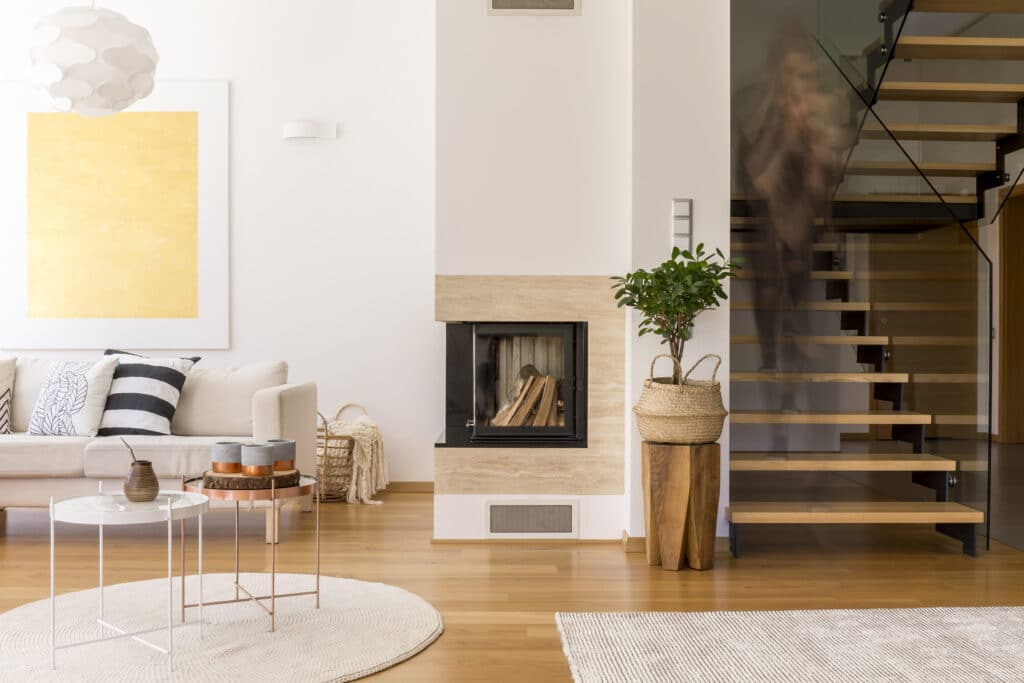
A home tour serves to answer two questions: Does the property meet your needs, and which aspects require further verification? Observing the rooms, asking questions, and taking notes helps you prepare to make a decision. This is never a substitute for a professional inspection, a review of documents, or appropriate advice.
For your home viewings in Laval, use this checklist as a guide. Make a distinction between what you’ve seen, what the seller or real estate agent has told you, and what still needs to be confirmed. A favorable impression does not constitute validation of the building’s condition.
Before the visit: Prepare your checklist
Write down your priorities before you go in: the number and use of rooms, storage, outdoor space, parking, and planned maintenance. Distinguish between essential needs and preferences. Otherwise, attractive decor can distract from a poorly suited layout.
- Review the property description, as well as the listed inclusions and exclusions.
- Gather any documents you already have and note any missing information.
- Prepare questions related to renovations, amenities, and your intended use of the property.
- Keep your budget in mind and discuss any expenses that need to be clarified with the relevant parties.
- Identify useful services and routes near the address, without assuming they’re actually accessible.
Nathalie’s notes can serve as a starting point. To put the visit into the context of your overall process, also see “Buying in Laval: Simple Steps, Timelines, and Common Pitfalls.”
Outside
Inspect the accessible areas with the necessary authorization. Look from the ground; do not climb onto the roof or use any structure that seems unsafe. Your role is to identify issues, not to assess compliance or structural integrity.
- Visible surfacing and foundations: Note any marks, cracks, or visible repairs, and ask for their history.
- Landscape and drainage: Observe the slopes and any standing water at the time of the visit; have any concerning issues checked.
- Roof: Ask about the known age of the roof, any work performed, and any available supporting documentation.
- Doors and windows: Check their apparent condition and ask for information about their replacement.
- Balcony or patio: Note any elements that warrant a question about maintenance.
- Entrance, parking, and landscaping: Check whether their layout suits your needs.
The presence of a mark does not necessarily indicate a defect; nor does its absence guarantee that everything is in good condition. Describe the location and what concerns you in detail so you can discuss it with the appropriate professional.
Inside
Start by picturing your typical activities in each room. Traffic flow, usable space, and storage options matter more than how the space looks. The amount of natural light you see depends largely on the time of day you visit.
- Layout: Do your furniture and daily routines fit in without immediately altering the space?
- Storage: Check the available storage spaces and access to areas used daily.
- Finishes: Note any visible marks, warping, or repairs that warrant a question.
- Doors and windows: Ask for permission before testing whether they open; do not force anything.
- Noises and odors: Describe what you notice without assuming the cause.
- Possible signs of moisture: Ask for an explanation and have any concerning observations inspected.
A smell or a stain alone is not enough to diagnose a leak, mold, or a structural problem. Also note any inaccessible areas: a locked room or a cluttered storage area may provide valuable information.
Systems and Equipment
Prepare questions rather than improvised tests. Do not remove any electrical covers, take anything apart, or tamper with technical systems in an attempt to verify them.
- Heating and Air Conditioning: What system is installed, what maintenance records are available, and what work has been performed?
- Water heater: What is its known installation date, and does it belong to the seller or is it leased?
- Electrical system: What work or repairs are documented, and which areas need to be inspected by a professional?
- Plumbing: Is there a documented history of leaks, repairs, or replacements?
- Other equipment: Which items are included, excluded, or leased, and what maintenance information is available?
Just because an appliance is working during the inspection doesn’t mean it has been professionally evaluated. The stated age, an invoice, and your observations at the time are different types of information: keep track of their sources and ask for clarification on any unknown details.
Documents to Review
Property Information
Request the Seller’s Declarations regarding the property. The OACIQ explains that this form provides information about the property, including any work performed and certain events known to the seller. Read it carefully and note any answers that need clarification; it is not a substitute for an inspection.
Depending on the property, also gather the property description, any available invoices and renovation information, relevant permits, municipal documents, and tax bills. The certificate of location and other transaction documents must be reviewed by qualified professionals. The presence of an invoice alone does not guarantee that the work complies with regulations.
If you are visiting a condominium
The OACIQ’s guidance on purchasing a condominium emphasizes the importance of the documents specific to this type of ownership. Be sure to specify which documents to obtain: the declaration of co-ownership, bylaws, meeting minutes, financial information, and a statement regarding the condition of the condominium, as applicable. The interior of the unit alone does not provide a complete picture of the responsibilities or the condition of the building.
The sector also includes
The tour also covers the address and its surroundings. In Laval, compare the actual routes to the places you frequent rather than relying solely on the neighborhood’s name. Take note of access points, sidewalks, crosswalks, and parking arrangements.
Take note of any noises and activity you observe, then return at a different time if that might help inform your decision. A single observation isn’t enough to determine what the atmosphere is like on a consistent basis. Check with the appropriate sources about any projects, land uses, or restrictions that concern you, without assuming that a neighboring property will remain unchanged.
Your criteria can be very specific: access to an outdoor space, the route to a service, parking space, or storage needs. Compare each address against these criteria rather than against a general impression of the area.
After the visit: 10 questions to ask yourself
Please respond in writing, even briefly. If a response is missing, indicate who should provide or verify it before you make your decision.
- Does the configuration meet my essential needs?
- What compromises am I actually willing to accept?
- What have I personally observed?
- What information still requires further clarification?
- What work or maintenance do I need to understand better?
- What documents are still pending or need to be reviewed?
- What observations do I need to report to the inspector?
- Are the inclusions, exclusions, and locations clear?
- Is the immediate surroundings suitable for my needs?
- Is a second visit or professional advice necessary to move forward?
Keep these answers separate for each property. This will allow you to compare the same criteria, rather than relying solely on the last house you visited or the one that made the strongest impression on you.
Quick Checklist Before Leaving the Property
This list can be printed along with the article and checked off on paper. It is intended to help you organize your notes, not to certify the condition of the property.
- My essential needs and compromises are noted.
- My observations of the exterior and interior are recorded.
- Inaccessible areas are identified.
- My questions about the systems and equipment are written down.
- Inclusions, exclusions, and leased equipment are to be confirmed.
- I have distinguished between the documents I received and those that are missing.
- Points to be reported to the inspector are noted.
- Follow-up steps and contact persons are specified.
Take photos only with the appropriate authorization. Add the address and date to your notes so you don’t confuse your observations across multiple visits.
Why Inspections Remain Essential
The OACIQ strongly recommends a pre-purchase inspection and states that the real estate agent must recommend it. The inspector examines the visible components within the scope of their mandate and provides a written report. You should review the report and ask any questions you may have.
Provide the inspector with any available information and any concerns you may have. Specialized inspections may be necessary depending on the findings and the scope of the examination. Neither the site visit nor the inspection should be presented as a guarantee that every defect will be discovered.
The OACIQ also specifies that a pre-sale inspection report does not relieve the real estate agent of their obligation to recommend a pre-purchase inspection. Have the agent explain the specific terms and deadlines applicable to your situation rather than relying on a generic timeframe.
How Nathalie Guides Tours
Nathalie Maréchal can help you prepare for property viewings, organize your questions, and analyze the available information. Her guidance helps you distinguish between the criteria for your search and the issues that require documentary or professional verification.
The “Buying a Property” page describes this support. By preparing your priorities and notes, you give Nathalie concrete guidelines for discussing properties and the next steps—without replacing the role of the inspector or other professionals.
Are you planning your next visits?
Nathalie can help you organize your search, analyze the available information, and ask the right questions before making a decision.
Discuss my purchase projectFrequently Asked Questions
How much time should I set aside for a visit?
There is no set time frame. Allow enough time to look around the accessible areas, ask questions, and take notes, depending on the property and the terms of the tour. An additional tour may be helpful if there are still issues that need to be clarified.
What should you look at first?
Start by considering the layout and your essential needs: how the rooms are used, traffic flow, storage, and access. Then note any observations that raise a question, without drawing any technical conclusions from what you see.
What documents should you request before making an offer?
Be sure to request, in particular, the seller’s disclosures, the property description, and any available information regarding renovations and equipment. Other documents may be required depending on the type of property, particularly in the case of condominiums. Make sure to specify which documents you need to obtain and arrange for them to be reviewed with the appropriate parties.
Can a visit replace an inspection?
No. A tour helps you assess whether the property meets your needs and identify any issues. It does not replace a pre-purchase inspection by a professional, a review of the property’s documentation, or any additional expert evaluations that may be necessary.
Is it a good idea to visit a property again before making a decision?
Yes, when it allows for verifying how spaces are used, observing the environment at a different time, or clarifying issues. A second visit is still just a visit: it does not replace an inspection or other appropriate checks.